Optimal Seasons for Roof Repairs
Roof repairs are most effective when performed during periods of mild weather, typically in late spring, summer, or early fall. These seasons offer optimal conditions for roof work due to lower chances of rain, snow, or extreme temperatures, which can hinder repair processes and affect material performance.
Spring provides moderate temperatures and longer daylight hours, making it suitable for roof maintenance and repairs after winter damage.
Summer offers warm weather and dry conditions, ideal for extensive repairs and inspections before the colder months.
Fall is suitable for repairs to prepare roofs for winter, avoiding the risks associated with cold weather and snow.
Winter is generally unsuitable due to cold temperatures, snow, and ice, which can compromise repair quality and safety.
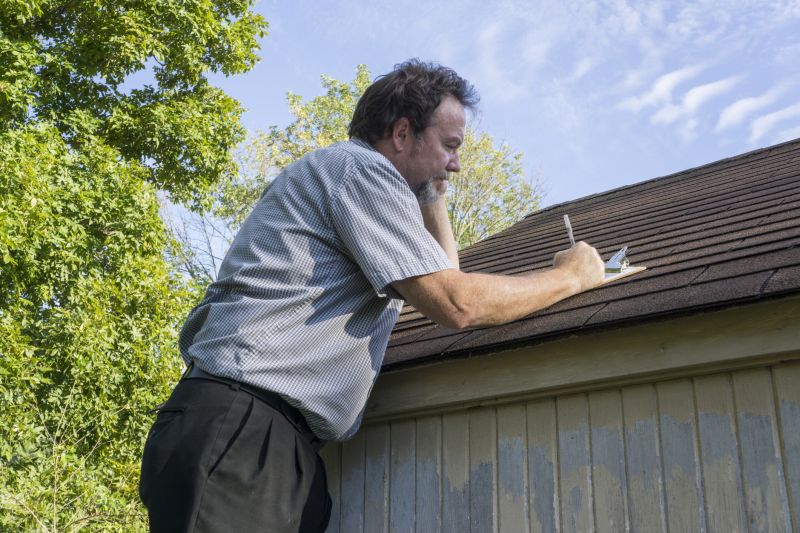
Assessing roof condition after winter to identify damage early.
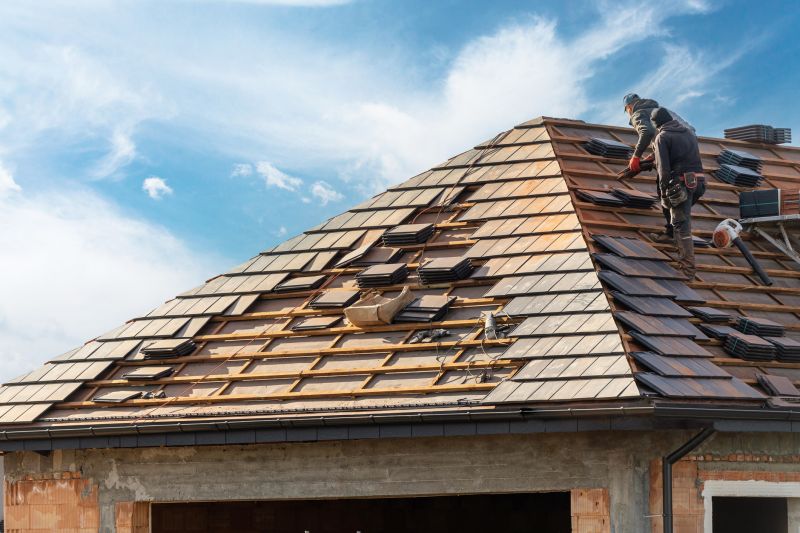
Performing repairs during warm, dry weather.
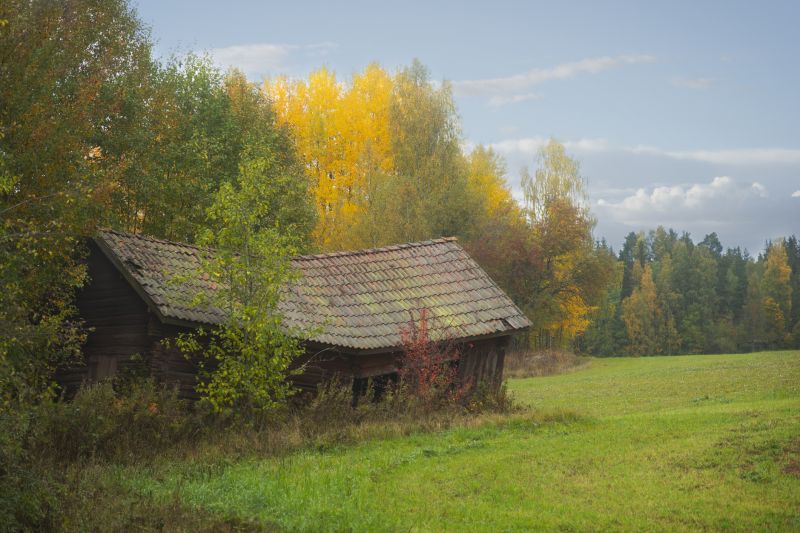
Getting roofs ready for winter conditions.
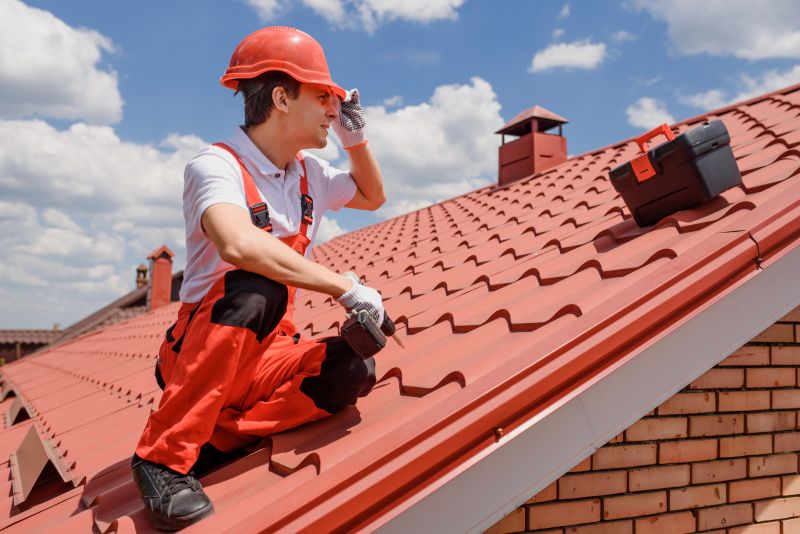
Ways to make Roof Repairs work in tight or awkward layouts.
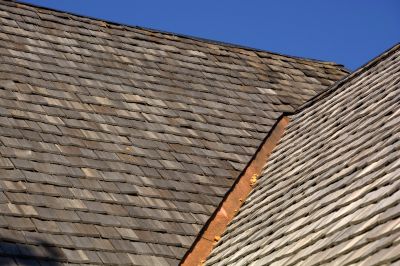
Popular materials for Roof Repairs and why they hold up over time.

Simple add-ons that improve Roof Repairs without blowing the budget.
Roof repairs are essential for maintaining structural integrity and preventing leaks. Proper timing ensures that repairs are effective and durable. Delaying maintenance or attempting repairs during unsuitable weather can lead to increased costs and compromised safety. Regular inspections and timely repairs extend the lifespan of roofing systems and protect underlying structures from water damage, mold, and decay.

Essential tools used in roof repair projects.

Common materials for roof repairs including shingles and sealants.

Inspecting roof surface and structure for damage.

Safety gear used during roof repair work.
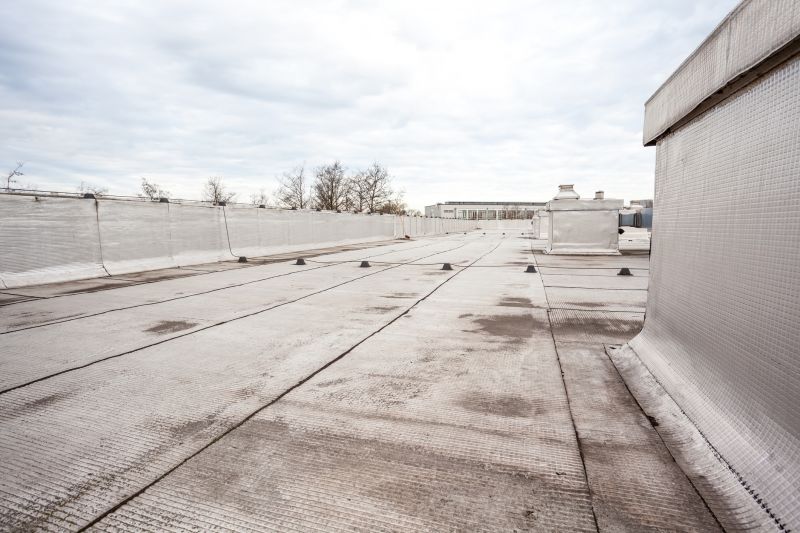
High-end options that actually feel worth it for Roof Repairs.
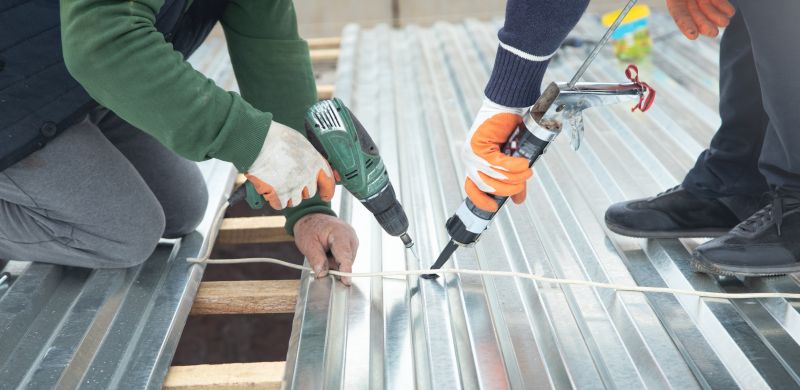
Finishes and colors that play nicely with Roof Repairs.
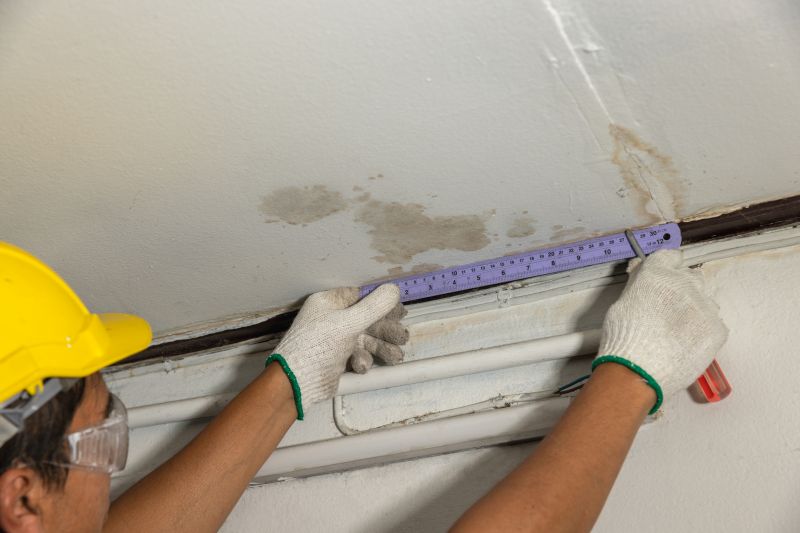
Little measurements that prevent headaches on Roof Repairs day.
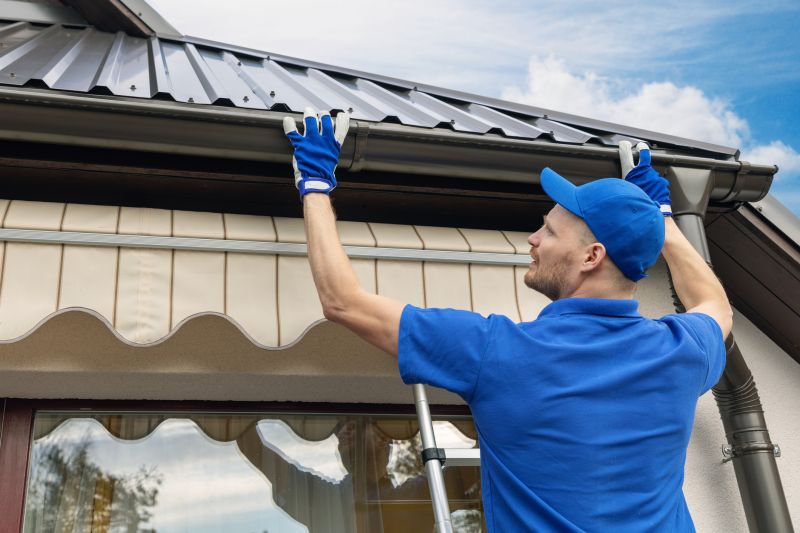
A 60-second routine that keeps Roof Repairs looking new.
| Season | Optimal Conditions |
|---|---|
| Spring | Moderate temperatures, less rain, ideal for inspections and minor repairs. |
| Summer | Warm and dry, suitable for extensive repairs and maintenance. |
| Fall | Cooler temperatures, dry conditions, preparing roofs for winter. |
| Winter | Cold, snow, and ice make repairs risky and less effective. |
| Late Spring | Good for early repairs after winter damage. |
| Early Fall | Prepares roof for winter, avoiding last-minute repairs. |
Choosing the right time for roof repairs can significantly impact the durability and effectiveness of the work performed. Proper planning around seasonal weather conditions ensures that repairs are completed safely and efficiently, reducing the likelihood of future issues. Regular maintenance during appropriate seasons helps extend the lifespan of roofing systems and maintains their protective function.
Interested in scheduling roof repairs? Filling out the contact form provides an opportunity to discuss options and plan repairs during the most suitable season for optimal results.